




Explore our sites:
Skip to Content


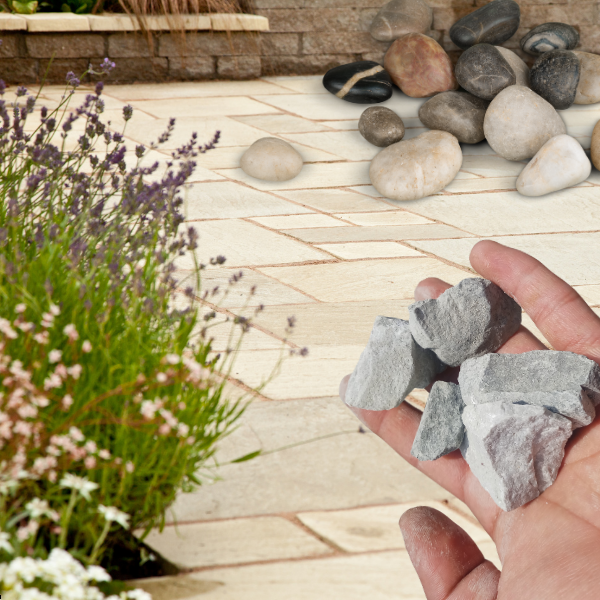
Summer is one of our busiest times of year in the Builders' Merchant. As soon as we get a few decent days of weather, people start tackling all those outdoor jobs they've been putting off. Some are building a new patio, others are giving the driveway a fresh look, while plenty are simply looking for a way to tidy up borders or create a smarter finish around the garden.
One of the questions I get asked almost every day is, "What's the best gravel to use?"
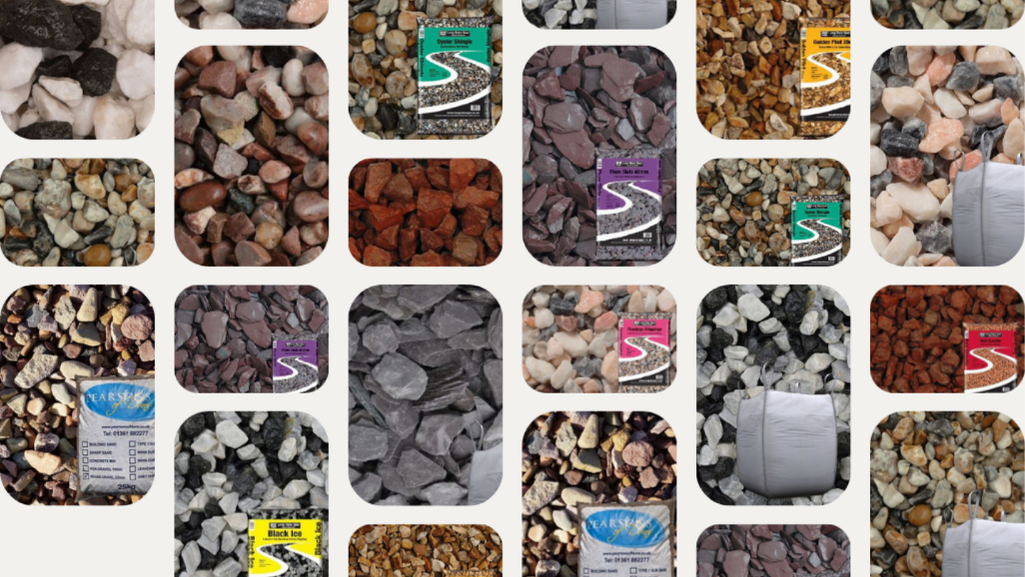
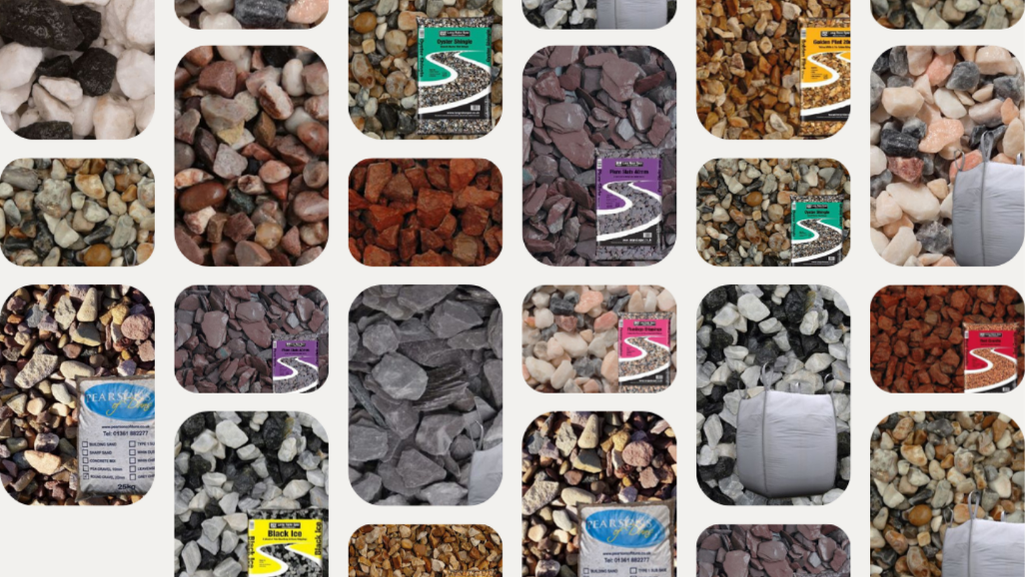
It's a fair question because there are a lot of options. Gravel, chippings, slate and pebbles all have their place, but choosing the right one isn't just about picking a colour you like. You need to think about where it's going, how much traffic it'll see, how it'll cope with our Scottish weather, and whether it'll still look good a few years down the line.
The good news is that it doesn't have to be complicated. Once you understand what each material is designed for, choosing the right one becomes much easier.
Before you even think about colours or finishes, ask yourself one simple question. What is this area actually going to be used for?
A decorative border around flower beds has completely different requirements from a driveway that's carrying cars every day. Likewise, a patio where you'll be sitting with family and friends needs a different surface from a winding garden path that only sees the odd pair of wellies.
We often see people fall in love with a particular product because they've seen it in a magazine or online, only to realise afterwards it wasn't really the right choice for the job. Spending a few minutes thinking about how you'll use the space usually saves both money and disappointment later on.
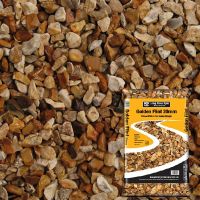
People often use these names interchangeably, but they all behave slightly differently.
Paving is one of those things that's worth getting right first time. Done properly, it'll last for years. Rush the decision, or cut corners underneath, and you'll only end up doing the job twice.
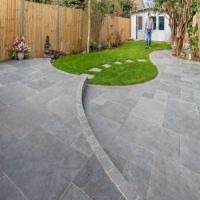
When you're choosing paving, think about both the style of your home and how the space will be used. Traditional properties often suit more natural stone finishes with softer colours and textures, while newer homes can carry larger slabs and cleaner lines really well.
Lighter paving can help make a smaller garden feel more open and spacious, whereas darker colours often create a more contemporary feel. There's no right or wrong choice. It's about finding something that complements both your house and the rest of the garden.
One thing I'd always recommend is seeing paving in person if you can. Stone can look very different outdoors than it does in a brochure or on a phone screen. Natural light changes everything, and it's much easier to picture how it'll look once it's actually in your own garden.
If there's one piece of advice I'd give anyone planning a patio, it's this.
Spend as much time thinking about what's underneath as you do choosing what's on top.
The finished paving is the bit everyone sees, but it's the sub-base that determines whether it still looks good five or ten years later. A properly prepared foundation helps prevent movement, reduces the risk of sinking and gives the whole area much greater longevity.
It's probably the least exciting part of the project, but it's also the most important.
Living in the Scottish Borders, drainage isn't something we can afford to ignore.
Even during the summer months, a heavy downpour isn't exactly unusual, and if water has nowhere to go it'll soon find the lowest point and stay there.
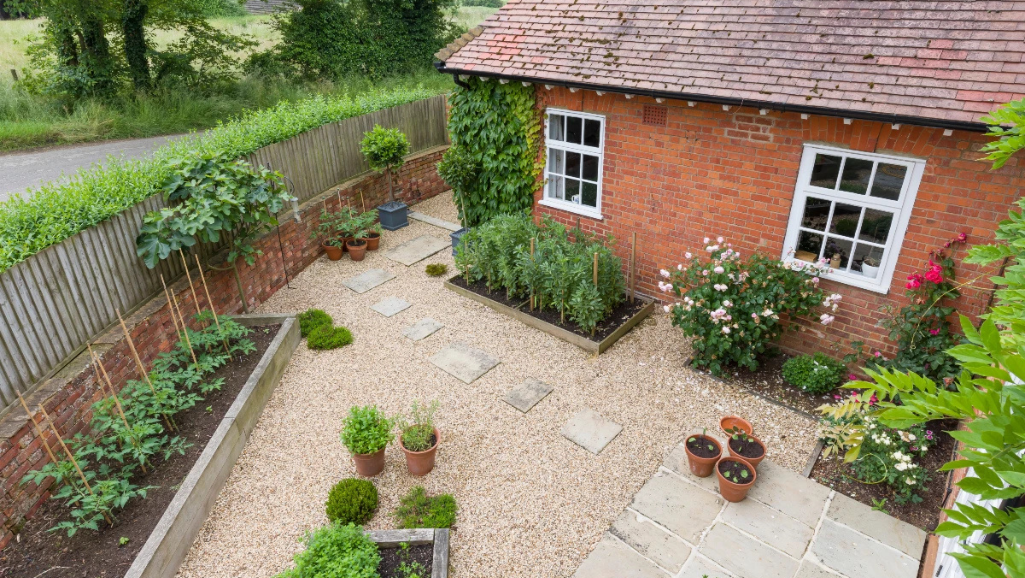
Paving should always be laid with a gentle fall so rainwater drains away naturally. Decorative aggregates have the advantage of being permeable, allowing water to soak through into the ground rather than sitting on the surface.
If drainage has been an issue in your garden before, it's well worth mentioning when you come in to see us.
One question we hear regularly is whether decorative stone stops weeds. The honest answer is that no surface is completely weed free.
Most weeds actually arrive from seeds blown in by the wind rather than growing up from underneath. What you can do is make life much harder for them by preparing the area properly.
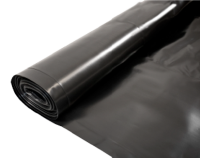
Removing existing weeds before you start and laying a quality weed control membrane underneath your gravel or chippings will dramatically reduce future maintenance. You'll probably still pull the odd weed every now and then, but it'll be a five-minute job rather than an afternoon's work.
This is another question we answer every day. The easiest way to avoid overbuying or coming up short is simply to measure the area before you visit us. Length and width are usually enough for us to work out how much gravel, decorative stone or paving you'll need.
There's nothing more frustrating than running out halfway through a job, but equally there's no point paying for materials that are going to sit unused in the corner of the garden.
Bring your measurements in and we'll happily do the calculations with you.
If you're not completely sure what's going to work best, don't worry about it. Bring along a few photos on your phone, or even a rough sketch with some measurements, and we'll happily talk it through with you.
Quite often a ten-minute conversation before you start can save hours of work and a fair bit of money later on.
Outdoor projects should be enjoyable, not stressful. Choosing the right materials at the beginning makes the whole job easier and gives you a finish that'll still be looking good long after this summer has passed.
If there's one thing I'd leave you with, it's this. Build for the Scottish weather, not the one we all wish we had. Good drainage, proper preparation and the right materials will always outperform cutting corners.
If you're planning a new patio, refreshing a driveway or simply looking to smarten up the garden with decorative stone, pop into the Builders' Merchant and have a chat with us. We'll help you choose the right products, work out how much you'll need and hopefully save you a few headaches along the way.
See you soon,
Tony - Builders' Merchant Team
Did you enjoy this blog? Yes! Why not sign up for our newsletter to be the first to know when our next blog from the team is live.